

About Us
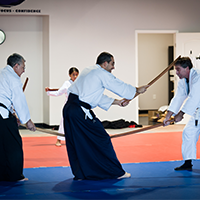
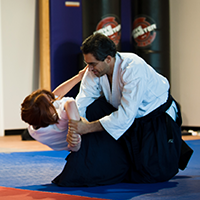
Aikido is a martial art, born in Japan. It combines the spiritual, mental and physical aspects of an art designed to protect you and the person attacking you.

Location
Join Our Classes at the Brenda & Duncan YMCA!
Conveniently located on Clay Road, just off Beltway 8 and only 7 minutes from I-10, our classes offer a central and accessible location for everyone.

Rates
We have both a monthly rate and a drop in mat fee for those that would like to stop in and either try a class or are coming in from out of town and would just like to train.
Training with Erik is fun and interesting. He has helped me develop strength and skills in technique.
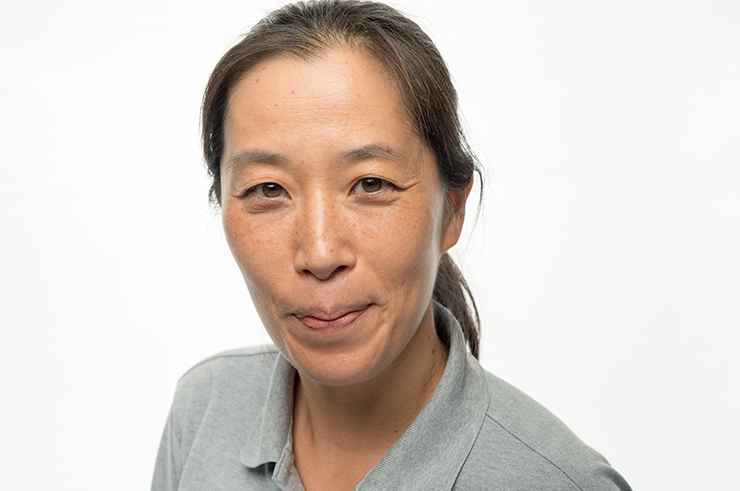
Tomoko
Bookkeeper / Accountant
Erik's passion for Aikido isn't only seen in how he performs it but also how he teaches it. He is really good at his craft and is very supportive whether you are a beginner or have been training for years.
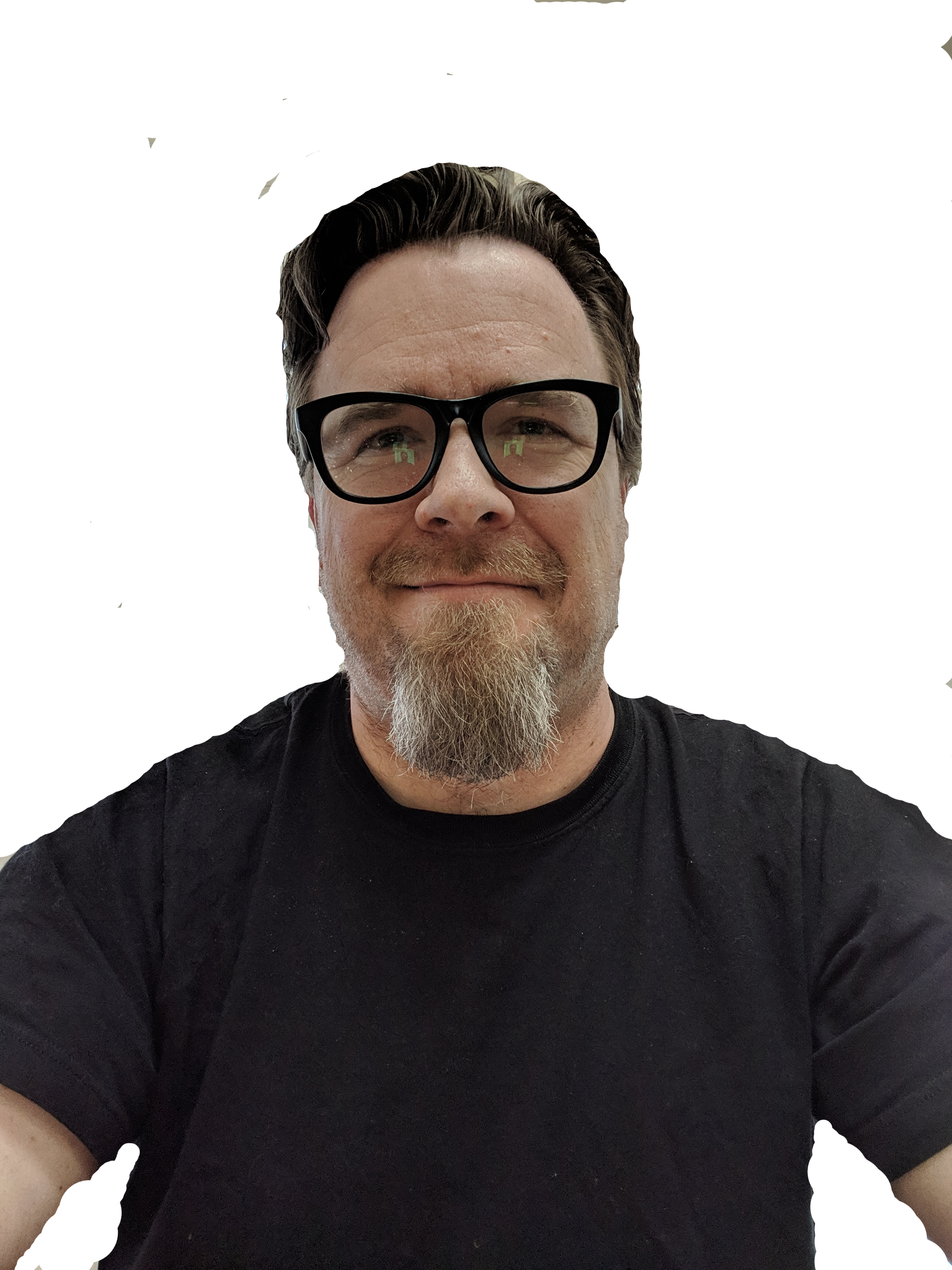
Under Erik Sensei, I 've learned a powerful and refined set of techniques which are a reflection of his own philosophy as a crafted martial artist.
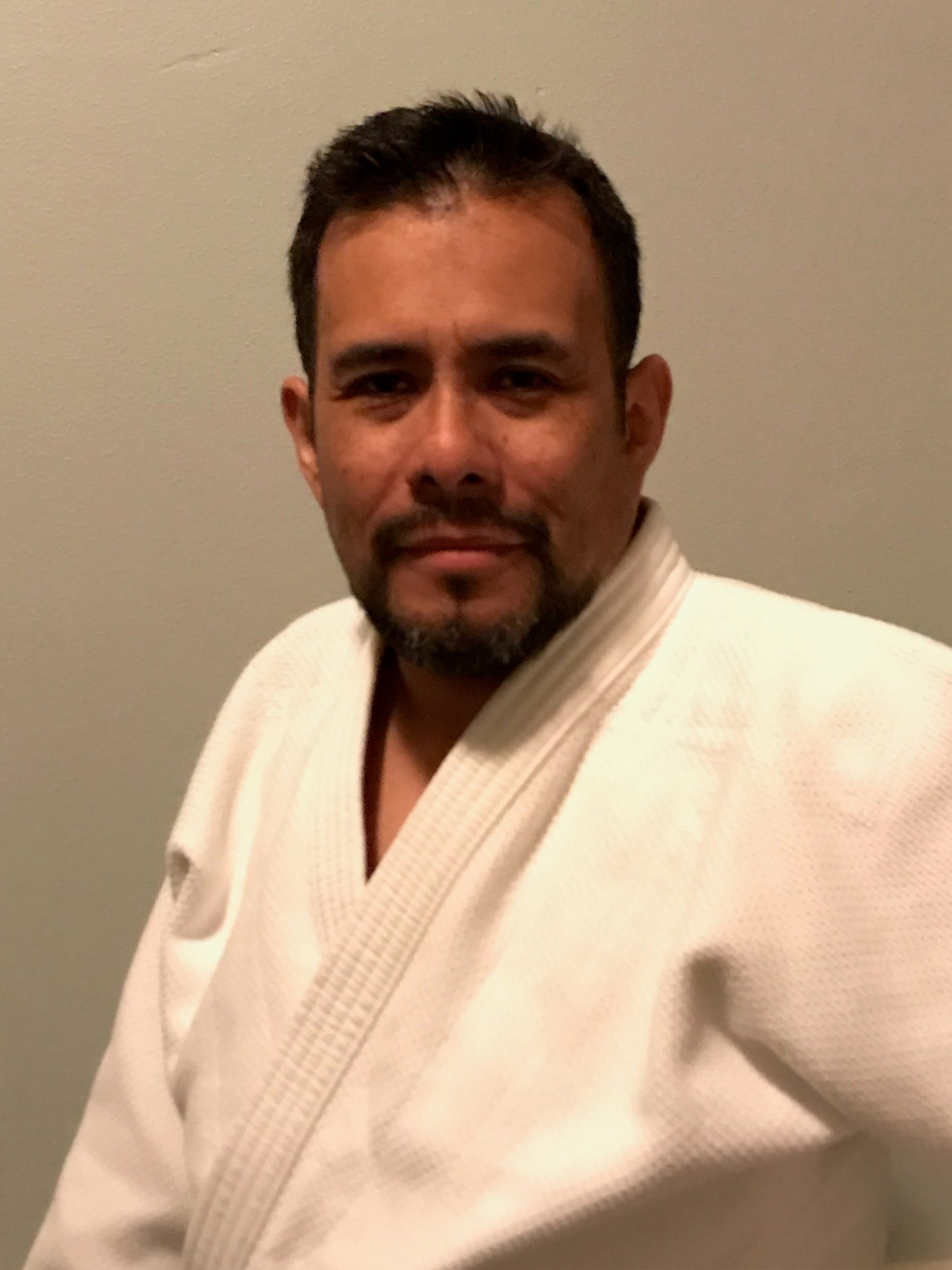
Ernesto
Ernesto /Systems Engineer / Judo Coach